Archaeology News

TAU study tracks development of early humans’ hunting practices

A groundbreaking study by researchers from Tel Aviv University (TAU) tracks the development of early humans’ hunting practices over the last 1.5 million years as reflected in the animals they hunted and consumed. The researchers claim that at any given time early humans preferred to hunt the largest animals available in their surroundings, which provided… Read More
Burnt archaeological flints reveal fluctuations in Earth’s magnetic field

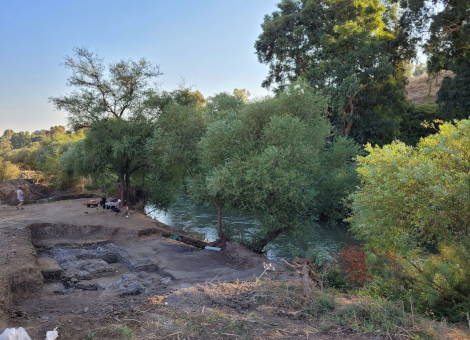
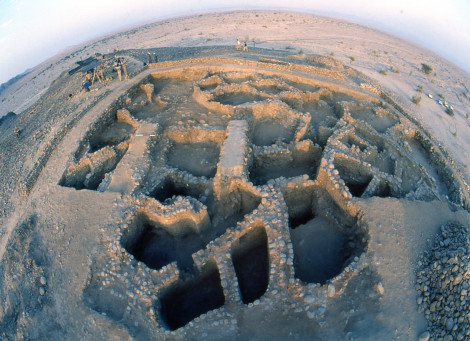
International research by Tel Aviv University (TAU), the Istituto Nazionale di Geofisica e Vulcanologia in Rome, and the University of California San Diego has uncovered findings regarding the magnetic field that prevailed in the Middle East between approximately 10,000 and 8,000 years ago. Researchers examined pottery and burnt flints from archaeological sites in Jordan, on… Read More

Excavation reveals previously unknown early human species group

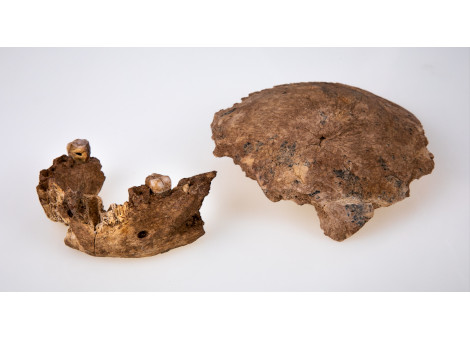
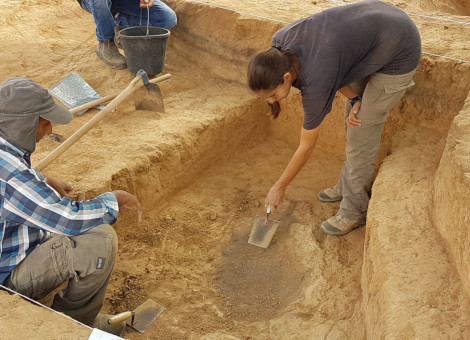
Researchers from Tel Aviv University (TAU) and the Hebrew University of Jerusalem have identified a new type of early human group at the Nesher Ramla excavation site, dated to 140,000 to 120,000 years ago. According to the researchers, the morphology of the Nesher Ramla group shares features with both Neanderthals (especially the teeth and jaws)… Read More

6,500-year-old copper workshop uncovered in the Negev Desert’s Beer Sheva

A new study by Tel Aviv University and the Israel Antiquities Authority indicates that a workshop for smelting copper ore once operated in the Neveh Noy neighborhood of Beer Sheva, the capital of the Negev Desert. The study, conducted over several years, began in 2017 in Beer Sheva when the workshop was first uncovered during… Read More

TAU study confirms widespread literacy in biblical-period kingdom of Judah

Researchers at Tel Aviv University (TAU) have analyzed 18 ancient texts dating back to around 600 BCE from the Tel Arad military post using state-of-the-art image processing, machine learning technologies, and the expertise of a senior handwriting examiner. They have concluded that the texts were written by no fewer than 12 authors, suggesting that many… Read More

Geometry guided construction of earliest known temple, built 6,000 years before Stonehenge

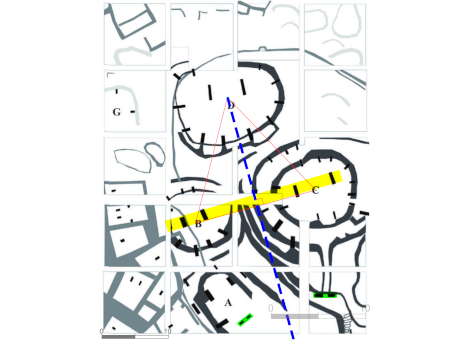
The sprawling 11,500-year-old stone Göbekli Tepe complex in southeastern Anatolia, Turkey, is the earliest known temple in human history and one of the most important discoveries of Neolithic research. Researchers at Tel Aviv University and the Israel Antiquities Authority have now used architectural analysis to discover that geometry informed the layout of Göbekli Tepe’s impressive… Read More