Tel Aviv University Researchers Develop New Technology to Deliver Antibodies Into Brain Cells
A promising new approach that could open new avenues for treating Parkinson’s diseases
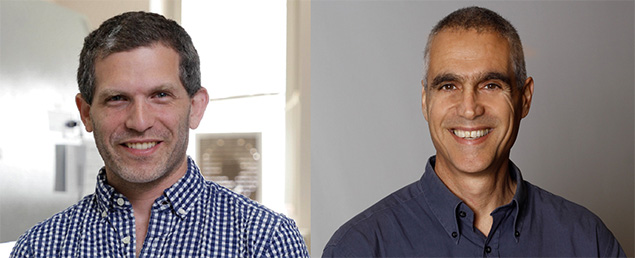
Tel Aviv University researchers Prof. Ben Maoz and Prof. Uri Ashery, together with colleagues at Cornell University and the Technion, have developed a new technology that enables therapeutic antibodies to enter cells—including brain cells. In a preclinical model of Parkinson’s disease, the approach significantly reduced harmful aggregates of alpha-synuclein, a protein closely associated with the disease.
The findings, published in the Proceedings of the National Academy of Sciences (PNAS), could open new possibilities for treating diseases that have been difficult to target with antibody-based therapies.
Antibodies are powerful medicines used to treat cancer, autoimmune diseases and other conditions, but they generally cannot enter cells. This means they cannot reach many of the proteins involved in disease, which are located inside cells. Reaching the brain presents an additional challenge because of the blood-brain barrier.
The researchers developed a way to temporarily “mask” antibodies with a synthetic molecule called SL4, allowing them to be packaged inside lipid nanoparticles. Once inside the cell, the antibody is released and regains its ability to target specific disease-related proteins.
In the Parkinson’s model, the researchers used an antibody targeting alpha-synuclein and observed a significant reduction in pathological protein aggregates in nerve cells. The technology also showed promise in models of cancer and inflammatory disease.
“This is an important step toward expanding the therapeutic toolbox of modern medicine,” said Prof. Ben Maoz. “We have developed a system that enables antibodies to reach targets that were previously beyond their reach.”
The technology is still in the preclinical stage, and further research and clinical trials will be needed before it can be used to treat patients. The researchers believe the platform could ultimately expand the use of antibody-based therapies to disease targets inside cells—including in the brain.
Prof. Maoz is a researcher in TAU’s Fleischman Faculty of Engineering and Sagol School of Neuroscience, while Prof. Ashery is a professor in the Wise Faculty of Life Sciences and Sagol School of Neuroscience. Both researchers focus on neuroscience and neurodegenerative diseases, including Parkinson’s disease.